The Definitive Storage Unit Size Guide: A Real-World Guide to Choosing the Perfect Storage Unit
Choosing a storage unit is rarely as simple as picking a number on a chart. At first glance, dimensions like 5 by 5 or 10 by 20 may seem straightforward, yet translating those measurements into real-life space can feel surprisingly abstract. That is exactly why having a practical understanding of storage unit sizes matters. If you are currently exploring storage options in Jonesboro, getting familiar with how each unit actually functions will make the process far more intuitive.
Jonesboro, AR, continues to grow as both a residential and educational hub, and with that growth comes a wide variety of storage needs. The city has seen steady development over the years, attracting families, students, and professionals alike. As a result, storage is no longer just about moving boxes. Instead, it plays a role in everyday organization, seasonal transitions, and even lifestyle flexibility.
Understanding Storage Units Beyond Square Footage
Before diving into specific unit sizes, it helps to shift your perspective slightly. Instead of focusing only on numbers, think about how space feels and functions. A storage unit is not just an empty box. It is a place where your belongings need to remain accessible, protected, and organized over time.
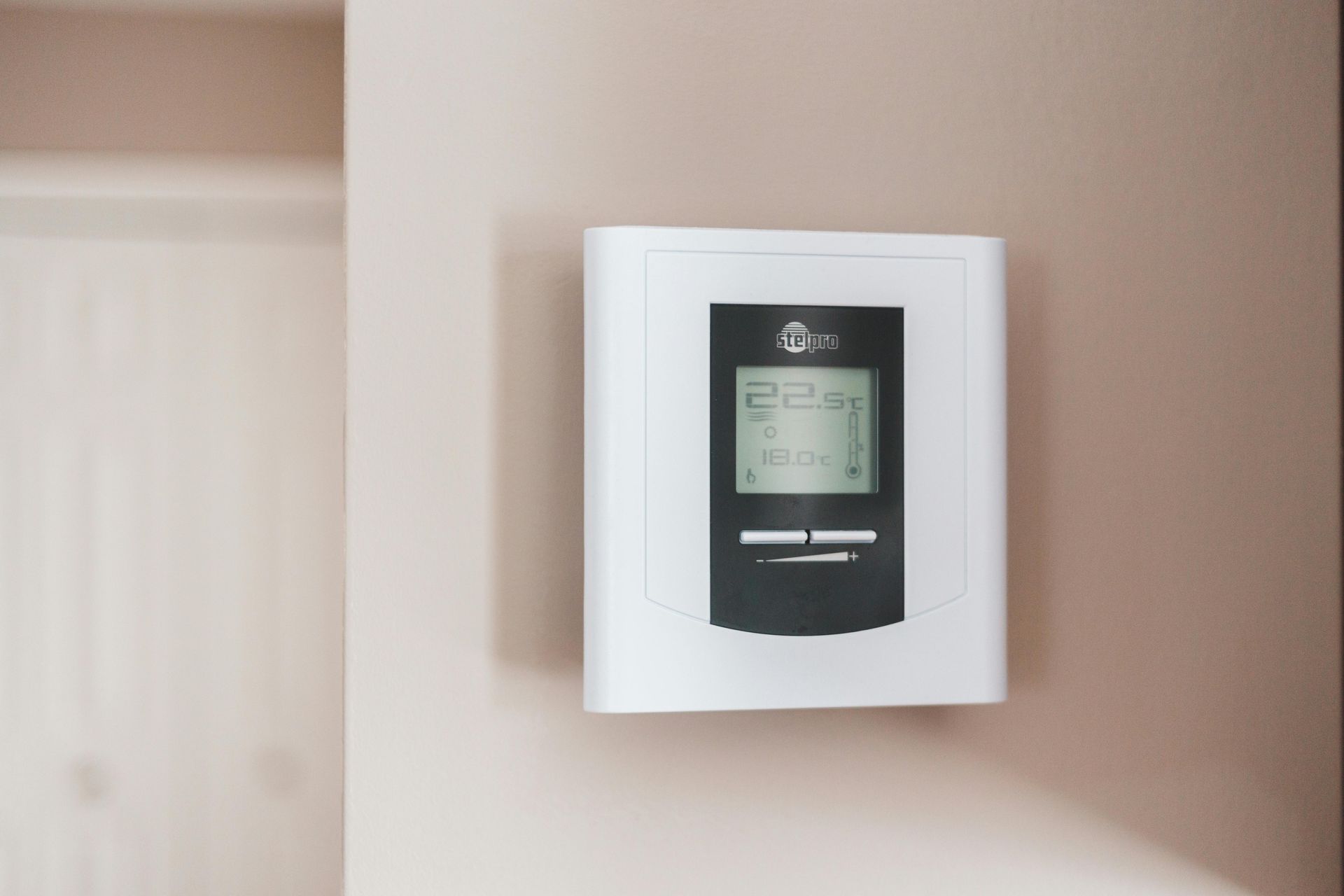
For example, stacking items too tightly can make it difficult to retrieve anything later. On the other hand, leaving too much unused space can feel inefficient. Therefore, the goal is not simply to fit everything in, but rather to create a layout that works for you. This is especially important in a place like Jonesboro, where humidity and seasonal changes can impact how items are stored. If you are dealing with temperature-sensitive belongings, it is worth learning more about climate-controlled storage in Jonesboro and how it can help protect your items.
A Closet’s Worth of Space: Small Units That Go Further Than Expected
At first, smaller storage units may seem limited. However, once you begin organizing vertically and packing strategically, they often prove to be surprisingly capable. Think of a compact unit as similar to a large hallway closet or a small shed. While the floor space is modest, the vertical height allows you to stack boxes and make efficient use of every inch.
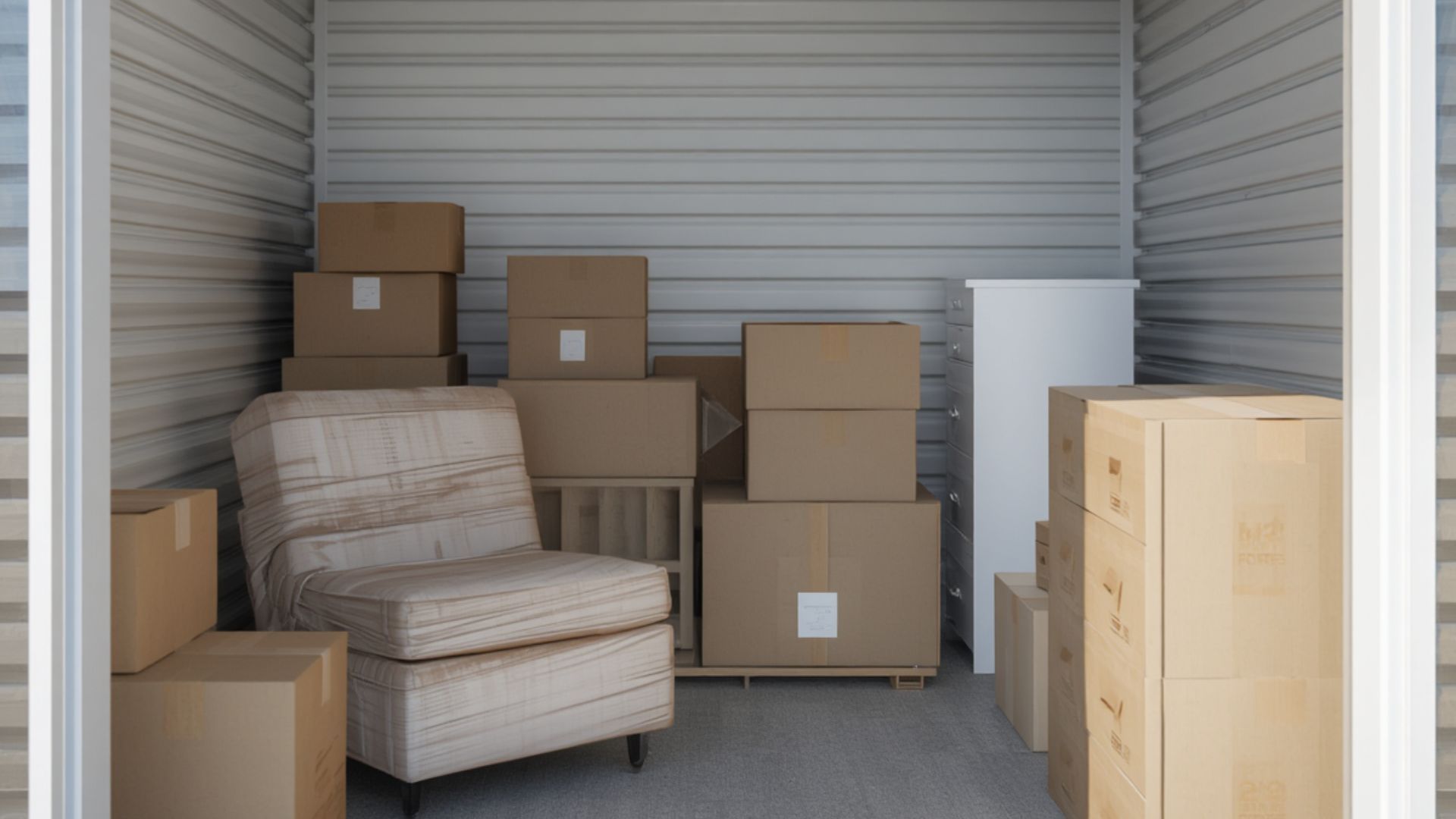
In practical terms, a unit of this size can typically hold several boxes, a few small furniture items like chairs or side tables, and various personal belongings. This makes it an excellent choice for those clearing out a single room, storing seasonal decorations, or simply creating breathing room at home. Moreover, smaller units are often a natural fit for students in Jonesboro, particularly those attending Arkansas State University. During semester breaks, these units provide a simple solution for keeping belongings secure without transporting everything back home.
More Breathing Room: Mid-Sized Units for Everyday Transitions
As your storage needs grow, mid-sized units begin to offer a noticeable difference in flexibility. These spaces often resemble a standard bedroom, which makes them easier to visualize and plan around. Instead of stacking everything tightly, you can start to arrange items in a way that allows for movement and accessibility. For instance, a mid-sized unit can comfortably accommodate larger furniture pieces such as sofas, mattresses, and dining sets, along with multiple boxes. This makes it particularly useful during life transitions, such as moving between homes or renovating a space.
At the same time, how you pack the unit plays a significant role in how much it can hold. Thoughtful organization can transform a mid-sized space into something far more efficient. If you are looking for ways to optimize your layout, this guide on how to pack a storage unit offers practical techniques that can make a noticeable difference.
When Storage Starts to Feel Like a Garage
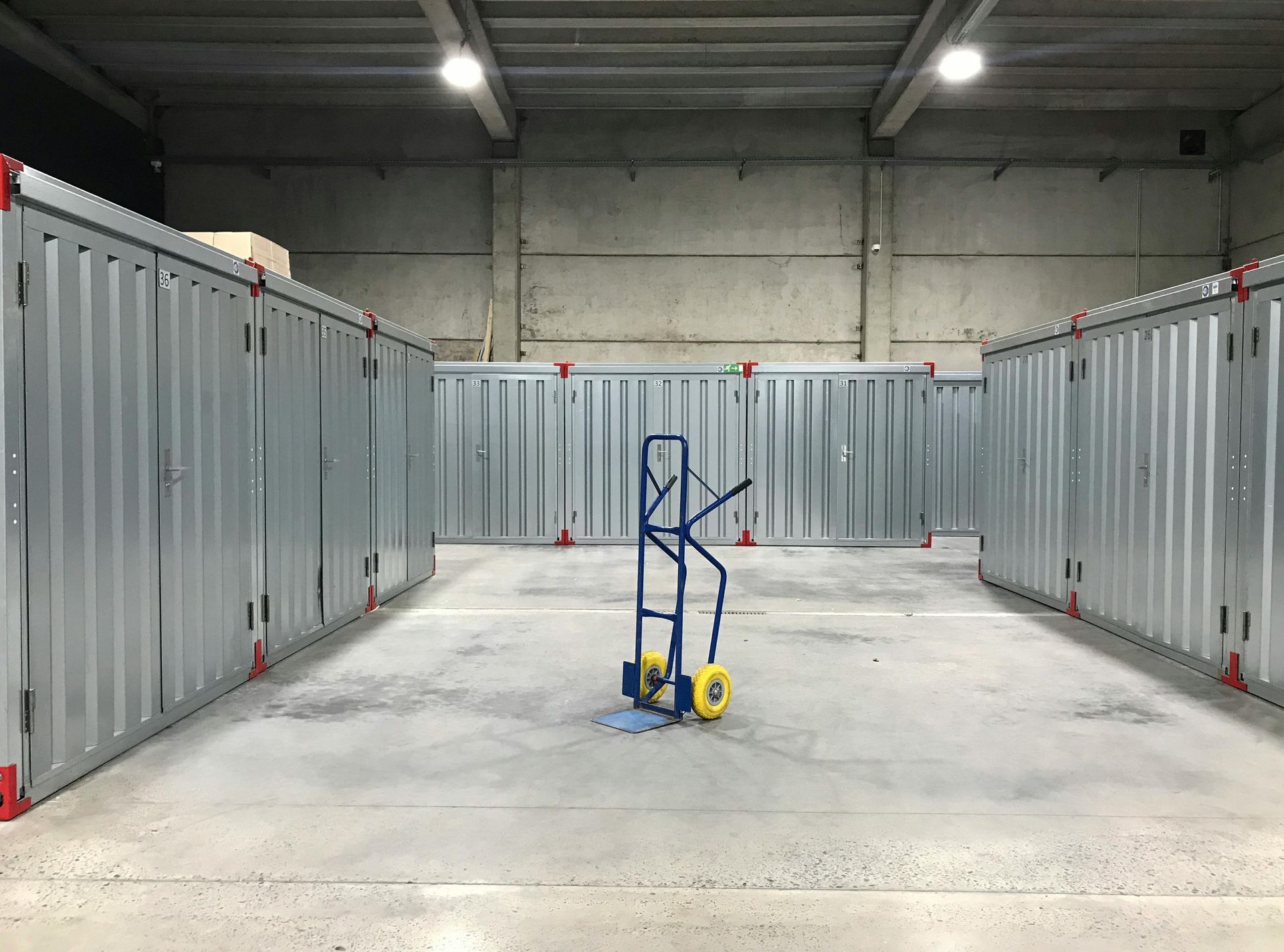
As you move into larger unit sizes, the experience changes again. Instead of thinking in terms of rooms, it becomes more helpful to think in terms of garages or open storage areas. These units are designed to handle bulkier items and larger quantities, making them ideal for storing the contents of multiple rooms or even an entire household.
In these spaces, you can fit bedroom furniture sets, living room pieces, appliances, and numerous boxes without needing to stack everything tightly. Additionally, the extra room allows for better airflow and easier access, which can be especially helpful if you plan to visit your unit regularly. This type of storage is particularly relevant in Jonesboro, where outdoor recreation is part of everyday life. Residents often need space for equipment such as camping gear, bicycles, or kayaks. With destinations like Craighead Forest Park nearby, it is easy to see why having extra storage space can be so valuable.
The Largest Units: Space for Big Moves and Bigger Plans
Eventually, there are situations where only the largest storage units will suffice. These expansive spaces can accommodate the contents of multi-bedroom homes, making them ideal for major relocations or long-term storage needs. They can also serve as a practical option for business owners who need additional room for inventory or equipment.
What sets these units apart is not just their size, but their versatility. Instead of carefully stacking every item, you can create designated areas within the unit, almost like separate zones. For example, one section can hold furniture while another stores boxes or equipment. This level of organization makes it easier to manage your belongings over time. Furthermore, having extra space can reduce the risk of damage. Items are less likely to be compressed or stacked unevenly, which helps preserve their condition.
Making Sense of Common Storage Dimensions
While it is helpful to think in terms of room comparisons, it is also worth understanding how common unit sizes translate into real-world use. For example, a compact unit around 25 square feet functions well for small-scale storage, while a slightly larger option around 50 square feet can handle the contents of a small bedroom.
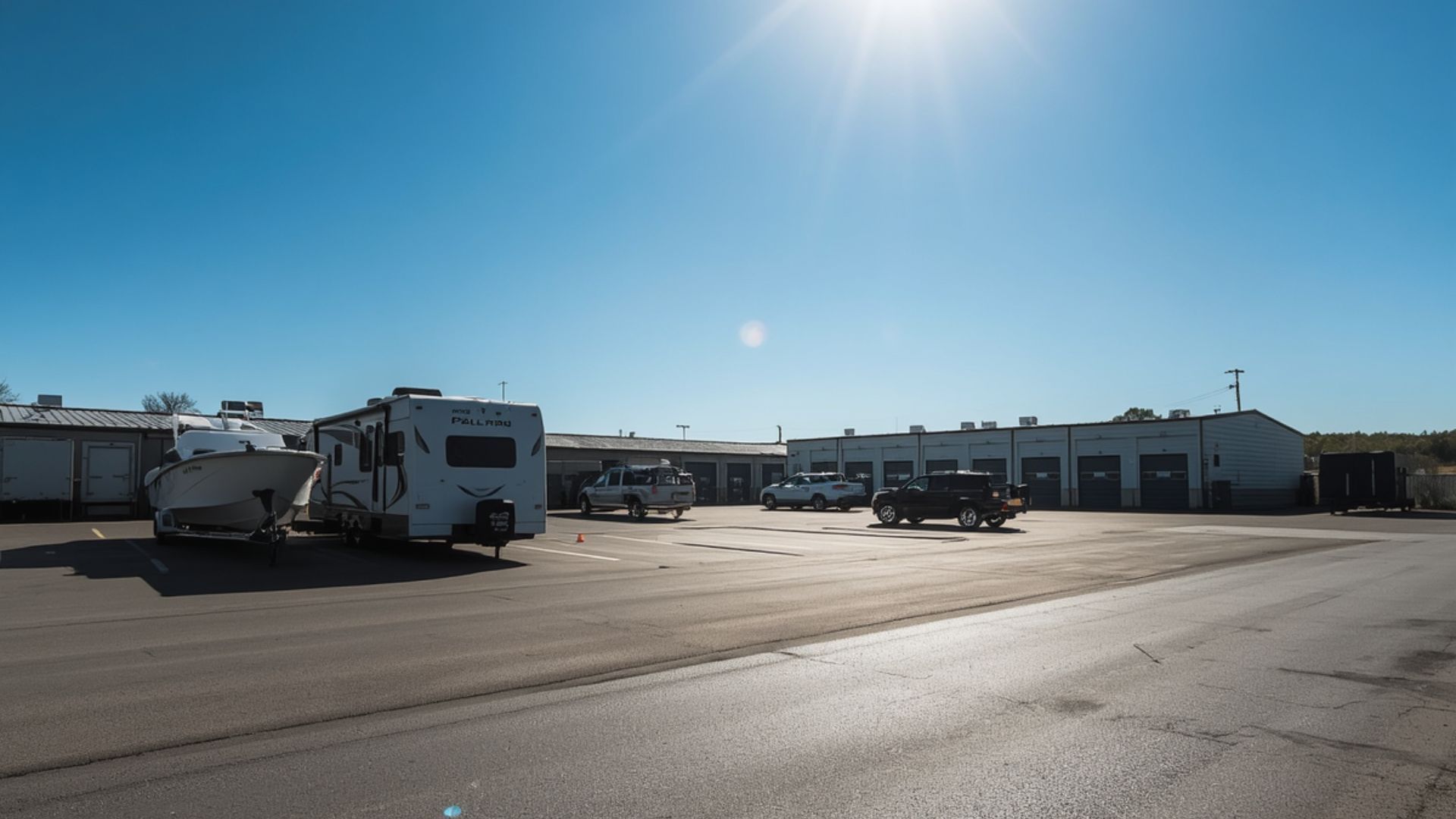
As you move up to around 100 to 150 square feet, you begin to see spaces that can store multiple rooms’ worth of furniture. Beyond that, units exceeding 200 square feet start to resemble garage-sized storage, capable of holding large volumes of belongings or even vehicles in some cases. By thinking about your items in categories such as furniture, boxes, and specialty equipment, it becomes easier to estimate how much space you will need. This approach is often more effective than trying to calculate exact measurements.
How Jonesboro’s Lifestyle Influences Storage Choices
Interestingly, storage needs are often shaped by local lifestyle factors. In Jonesboro, outdoor activities play a significant role. With access to parks, trails, and community events, residents frequently accumulate gear that is not used year-round. Storage units provide a convenient place to keep these items when they are not in use.
Additionally, the presence of a large student population creates a steady demand for flexible storage solutions. Smaller units are often preferred for short-term use, while larger units cater to families and long-term residents. Another consideration is the regional climate. Humidity can affect items such as wood furniture, electronics, and documents. As a result, choosing the right type of storage, not just the right size, becomes an important part of the decision-making process.
Choosing a Size Without Second-Guessing Yourself
Even with all this information, it is natural to feel uncertain about which unit size is right for you. However, there are a few simple ways to approach the decision with confidence. Start by taking inventory of your belongings and grouping them by size. Then, consider how often you will need access to your items.
If you anticipate needing frequent access, it is helpful to choose a slightly larger unit that allows for walkways and easier organization. On the other hand, if you are storing items long-term, you may be able to maximize space more tightly. Ultimately, it is often better to have a bit of extra room than to run out of space unexpectedly. A well-organized unit with some breathing room tends to be far more practical in the long run.
Bringing It All Together
Storage unit sizes may start as simple measurements, but they quickly become much more meaningful when you connect them to real-life scenarios. From compact closet-like spaces to expansive garage-sized units, each option serves a distinct purpose depending on your needs.
As you continue exploring storage options in Jonesboro, having a clear understanding of how these spaces function will make the process far more straightforward. By considering your belongings, your lifestyle, and how you plan to use the space, you can choose a unit that feels less like a guess and more like the right fit from the beginning. In the end, the goal is not just to store your items, but to create a sense of order and flexibility in your day-to-day life.