How to Store a Sofa in a Storage Unit
If you are a student at Arkansas State University, storing furniture is often part of the college experience. Lease changes, summer breaks, internships, and time away from Jonesboro can leave you with large items that do not fit into short term housing plans. A sofa is usually the biggest and most difficult piece to deal with, and storing it improperly can lead to damage that shows up when you least expect it.
We regularly help Arkansas State students store sofas during academic transitions. Sofas are made from a combination of fabric, foam, wood, and metal, which means they respond poorly to moisture, pressure, and poor airflow. With the right preparation and placement inside a storage unit in Jonesboro, a sofa can be stored for months or longer and come out in the same condition it went in.
Choosing a storage unit that fits student needs
Before moving a sofa into storage, it is important to know what belongs in climate controlled storage or not, as well as selecting a unit that provides enough space for proper placement. A sofa should never be forced into a tight area or wedged between other items. Pressure on the arms or frame during storage can cause long term structural damage.
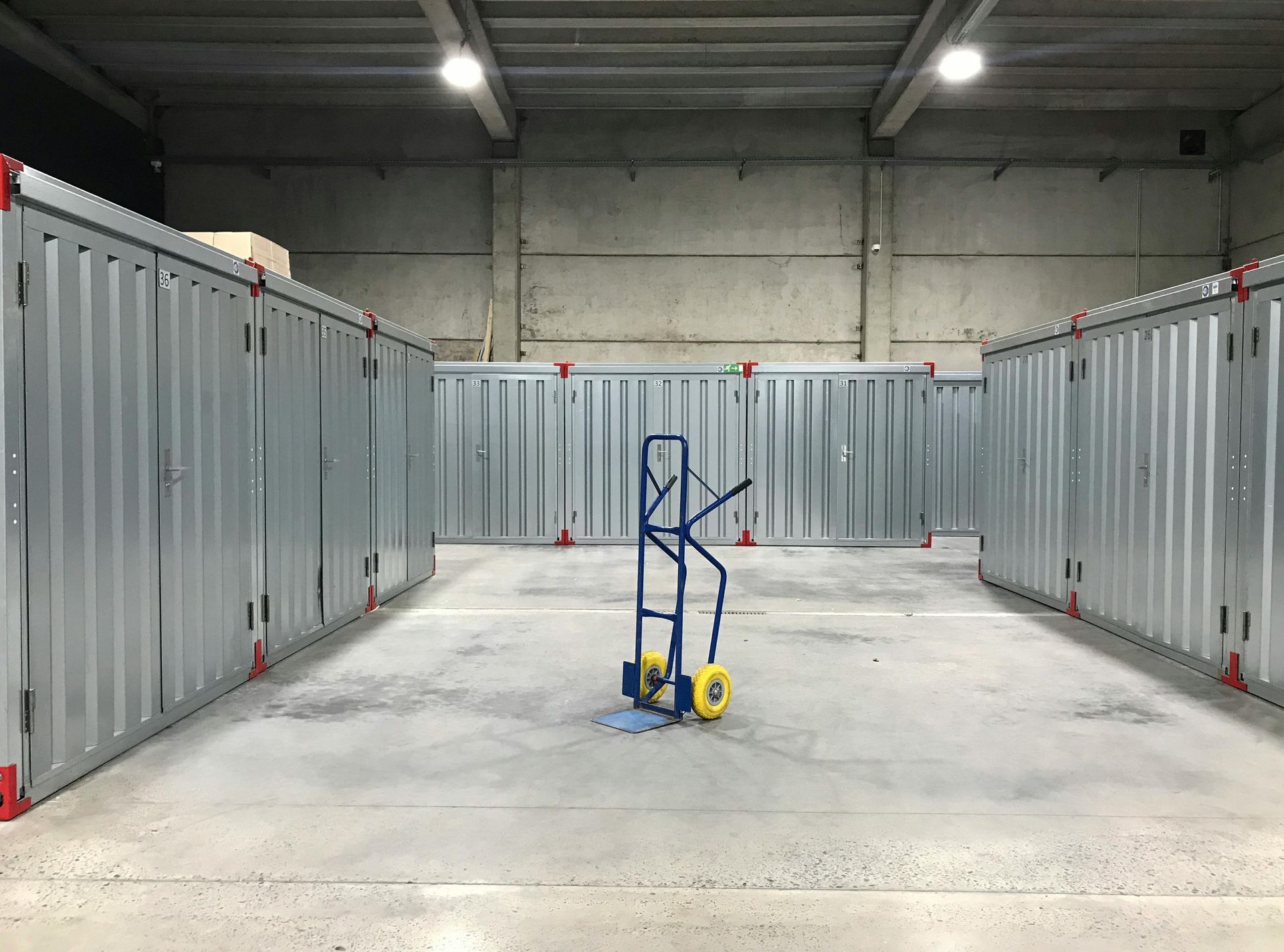
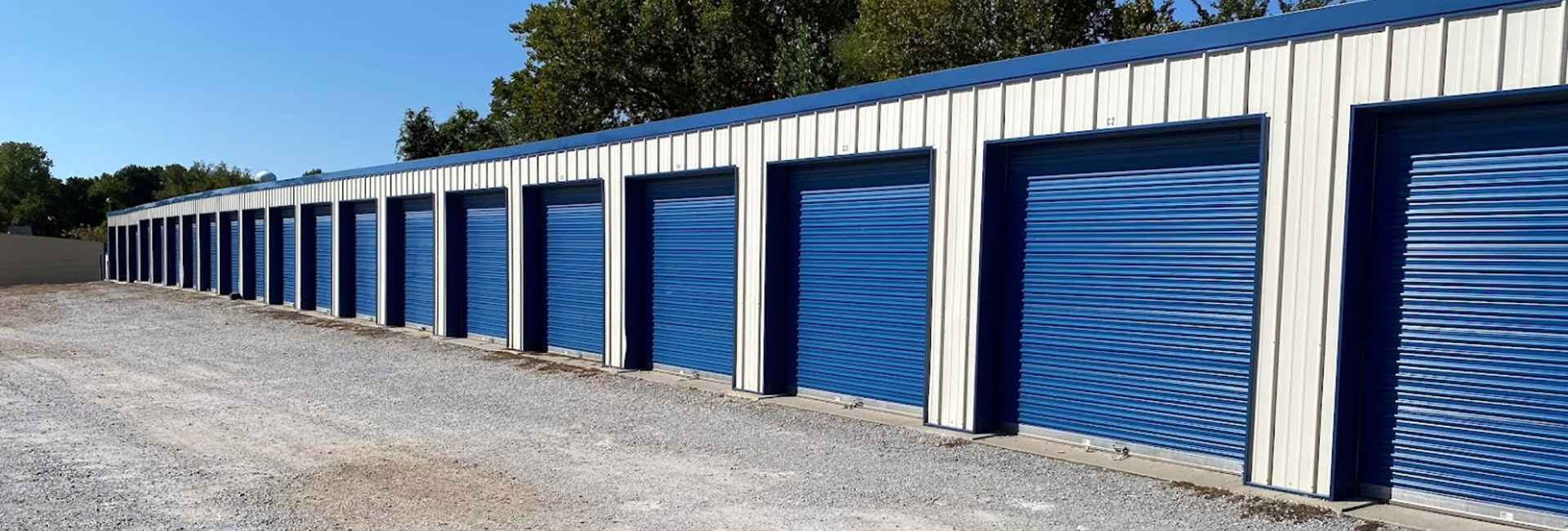
Students typically find that a 5x10 or 10x10 unit allows enough room to store a sofa while maintaining airflow and access. Drive up units are especially helpful when moving heavy furniture without professional movers. Easy access also matters when storing between leases or coordinating around class schedules.
Cleaning the sofa before storage
Cleaning is not optional when storing a sofa. Dirt, crumbs, body oils, and spills left on upholstery can become permanent stains during storage. Dust and residue also hold moisture, which contributes to odors and fabric discoloration.
Vacuum the entire sofa using an upholstery attachment. Pay close attention to seams, crevices, and the area beneath cushions. If the sofa has removable cushions, vacuum both sides and the exposed base. Spot clean stains using a cleaner designed for the specific fabric type. Always test cleaning products in an inconspicuous area first to avoid discoloration.
After cleaning, the sofa must be completely dry before storage. Even slight dampness trapped under covers can lead to mildew.
Preparing cushions and removable components
Cushions should be removed and stored separately whenever possible. Leaving cushions on the sofa for long periods can cause uneven compression and permanent sagging. Foam cushions hold their shape better when stored upright rather than stacked flat.
Loose legs, decorative feet, or detachable sections should be removed if the design allows. Any hardware should be placed in labeled bags and stored with the sofa so reassembly is simple later.
Protecting the sofa without trapping moisture
One of the most common mistakes students make is wrapping a sofa tightly in plastic. While plastic blocks dust, it also traps moisture. Over time, this leads to odors and fabric breakdown.
A better approach is to cover the sofa with breathable materials. Furniture blankets, cotton sheets, or fabric sofa covers protect against dust while allowing air to circulate. If plastic wrap is used at all, it should only be applied loosely over breathable padding and never sealed directly against upholstery.
Wooden legs, exposed trim, or metal frames should be padded to prevent scratches during transport and storage.
Elevating the sofa off the floor
Concrete floors can release moisture even in well maintained storage facilities. Storing a sofa directly on the floor increases the risk of moisture absorption through the frame and fabric.
The sofa should be elevated using pallets, wooden boards, or furniture risers. Elevation also improves airflow beneath the sofa and reduces pressure on the legs or base.
Positioning the sofa inside the unit
Placement inside the unit affects both airflow and long term condition. The sofa should be positioned along a wall with a small gap behind it to allow air movement. Avoid pushing it tightly into corners, which restricts airflow and concentrates humidity.
The front of the sofa should face an open aisle so cushions can be accessed without moving the entire piece. Heavy items should never be stacked on top of a sofa, even temporarily.
Managing moisture during storage
Although Greensboro Storage Co. maintains dry and secure units, additional moisture control can be helpful during humid months. Moisture absorber products placed near the sofa can reduce humidity levels inside the unit. These products should never touch fabric directly and should be checked periodically. Students storing furniture through the summer months benefit from visiting their unit occasionally to ensure conditions remain stable.
Cushion storage considerations
Cushions should be stored upright or on their sides in breathable covers. Stacking cushions flat with weight on top causes foam to compress and lose resilience. Cushions should not be stored inside plastic bags without ventilation.
Keeping cushions separate from the sofa frame also reduces stress on seams and upholstery.
Avoiding common storage mistakes
Several issues consistently cause damage to sofas in storage. These include leaving cushions in place, sealing the sofa in plastic, stacking heavy boxes on the frame, storing directly on concrete, and pushing the sofa tightly against walls. Each of these increases the risk of structural or cosmetic damage.
Taking time to avoid these problems protects the sofa throughout the storage period.
Storage considerations specific to Arkansas State students
Students at Arkansas State often store furniture during temporary transitions rather than permanent moves. This means accessibility matters. Labeling sofa components and keeping a clear path inside the unit makes retrieval faster when leases change or classes resume.
Storing furniture in a dedicated storage unit also frees up space in shared apartments and avoids the risks associated with leaving furniture in garages or unused rooms during breaks.
Why students choose Greensboro Storage Co.
Greensboro Storage Co. works closely with students who need reliable storage close to campus. Convenient access, flexible rental options, and secure units make storing furniture less stressful during academic transitions. Our team understands the timing challenges students face and helps make move in and move out days easier.
Students who take the time to prepare their sofa before storage avoid unnecessary replacement costs and extend the life of their furniture. Greensboro Storage Co. is here to help Arkansas State students store sofas and other belongings with confidence, whether it is for a summer break or a longer transition.