Smart Ways to Organize Your Storage Unit in Jonesboro, AR
Learning how to pack a storage unit the right way can make the difference between a smooth storage experience and months of frustration. An organized unit protects your belongings, helps you maximize every square foot of space, and ensures you can easily retrieve items when you need them.
Proper planning is essential. In Greensboro, AR, where warm, humid summers and seasonal weather changes can affect stored items, thoughtful packing becomes even more important. Materials like wood, fabric, and paper can be sensitive to moisture, so taking preventative steps during packing helps protect your belongings long-term.
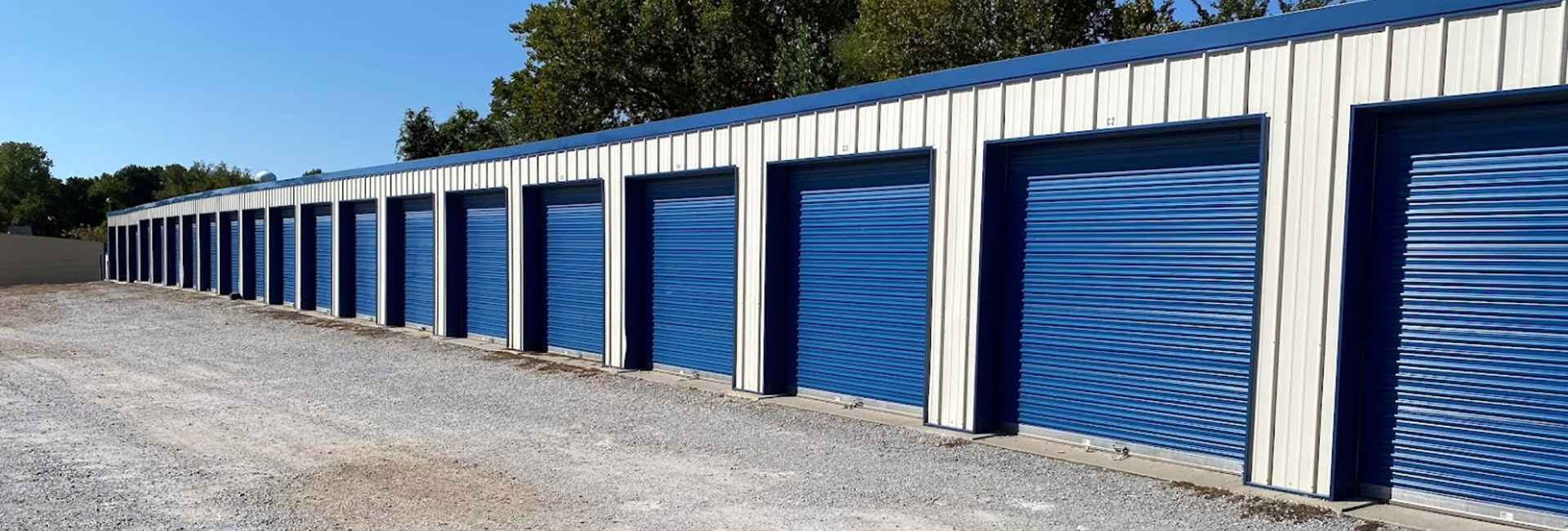
Choosing a secure, clean facility is the first step. From there, careful organization and strategic packing will help you make the most of your storage space.
Below is a detailed guide to help you pack your storage unit efficiently and safely.
Start With a Strategy Before Moving Day
One of the most common mistakes people make is loading items into a storage unit without a clear plan. At first, it may seem faster to simply move everything inside and arrange it later. However, once the unit is full, reorganizing becomes difficult and time-consuming.
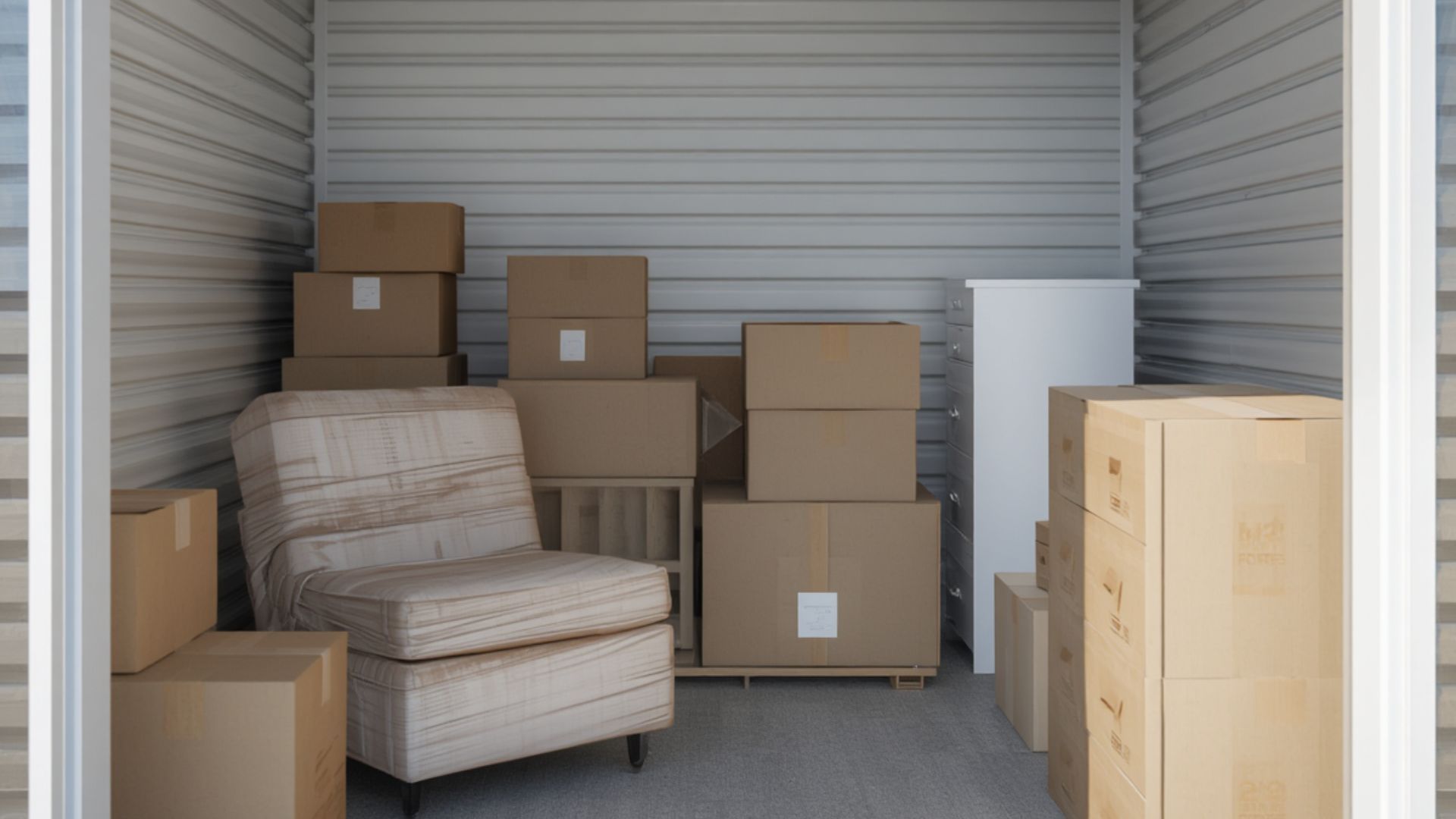
Before moving anything in, take time to measure your larger furniture pieces and confirm the dimensions of your unit. Visualize how your belongings will fit inside the space. It can even help to sketch a simple layout. Think of your storage unit as an extension of your home, essentially a small room where layout and flow matter.
Heavier furniture should be positioned along the back wall and sides to create a solid foundation. Items you expect to use more frequently should remain closer to the entrance. Leaving a narrow walkway down the center of the unit may slightly reduce your usable square footage, but it will save significant effort later when you need to retrieve something from the back.
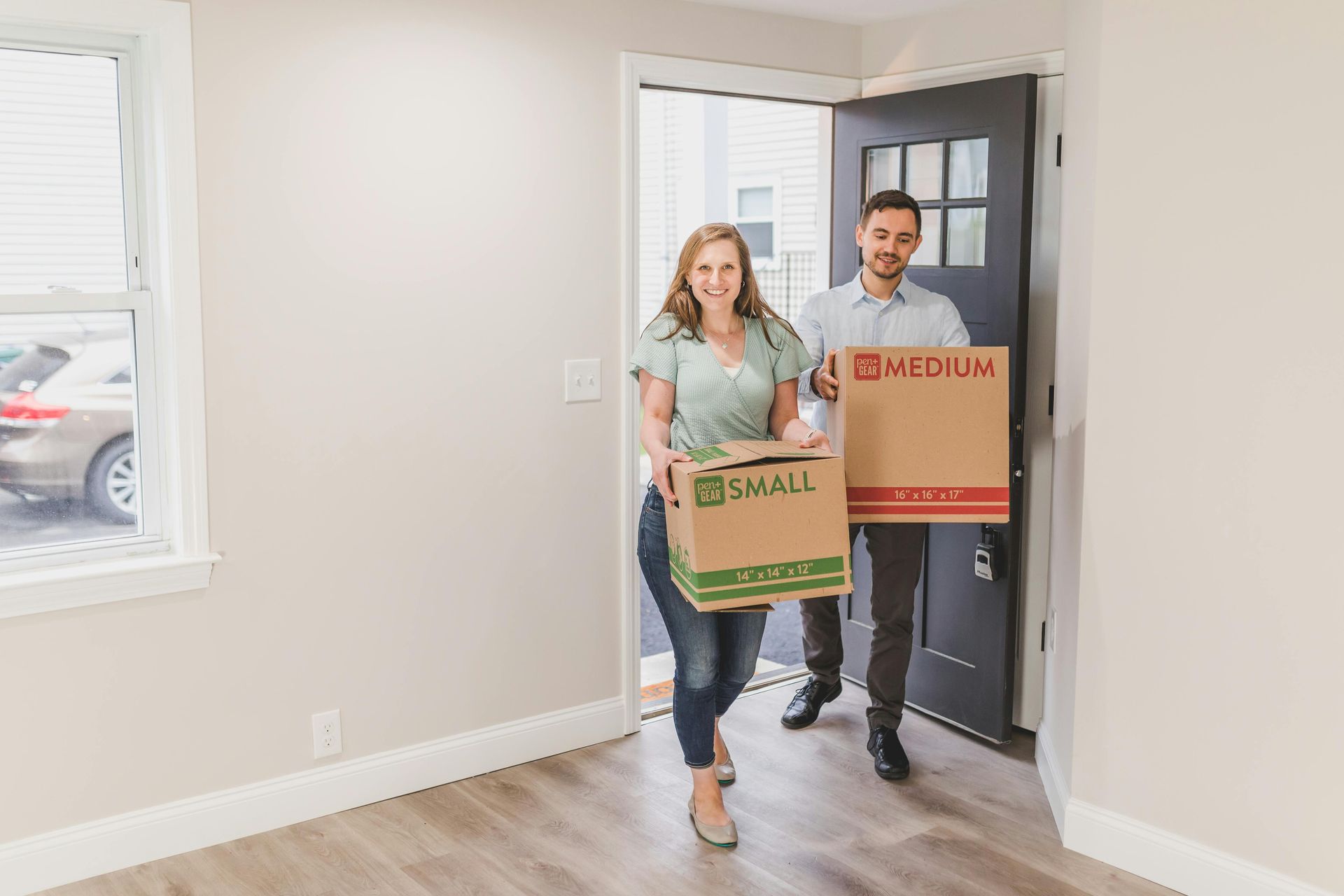
For those who are relocating or transitioning between rentals, storage often becomes part of the moving process. If you're moving within the region, you might also find it helpful to read more about local housing trends in this article on why so many people are renting houses in Jonesboro right now. Understanding your timeline can help you plan how long you may need storage access.
Use Quality Packing Materials for Better Protection
Proper packing starts with proper materials. Using strong, consistent supplies not only protects your belongings but also allows for safer stacking and better organization.
Sturdy boxes of similar size are ideal because they stack evenly and reduce the risk of collapsing piles. Plastic storage bins provide added protection for moisture-sensitive items like clothing, linens, paperwork, and electronics. Wrapping fragile items in bubble wrap or packing paper prevents scratches and breakage, while furniture covers shield larger pieces from dust buildup.
In a climate like Greensboro’s, where humidity can rise during warmer months, elevating your belongings slightly off the concrete floor is a smart precaution. Placing pallets or boards underneath boxes and furniture allows for better airflow and adds a layer of protection.
Labels are equally important. Clearly marking the contents of each box prevents unnecessary searching later. Some renters also keep a digital inventory list on their phone, noting where specific items are located inside the unit.
Break Down Furniture to Maximize Space
Large furniture pieces take up much more space when stored fully assembled. Disassembling items such as bed frames, tables, and shelving units helps you use vertical space more effectively and reduces wasted gaps.
When taking furniture apart, place screws and hardware into small, labeled plastic bags. Secure those bags directly to the furniture piece so they do not get lost. This small step prevents major frustration when it is time to reassemble everything.
Wood furniture should be wrapped with breathable covers rather than sealed tightly in plastic. Plastic can trap moisture, which may cause warping or mildew over time. Upholstered items should also be covered carefully to protect against dust while still allowing airflow.
Build a Strong Foundation Inside the Unit
Once you begin loading your unit, start by placing heavy, sturdy items along the perimeter walls. Dressers, solid wood furniture, and large appliances should form the base layer. These heavier items create structural stability and allow you to stack lighter boxes safely on top.
If you are storing appliances such as refrigerators or freezers, make sure they are thoroughly cleaned and completely dry before placing them in storage. Leaving appliance doors slightly open prevents trapped moisture and mildew.
As you continue loading, think vertically. Stack boxes with the heaviest ones at the bottom and lighter ones toward the top. Keeping stacks level and evenly distributed prevents tipping and shifting.
Protect Fragile and High-Value Items Carefully
Fragile belongings require additional attention. Glassware, dishes, artwork, and electronics should be wrapped individually and packed tightly enough to prevent movement inside the box. Any empty spaces should be filled with packing paper to reduce shifting during transport and storage.
Electronics are best stored in their original packaging whenever possible, since those boxes are designed to provide maximum protection. If original packaging is not available, wrap electronics in protective material and avoid placing them directly on the ground.
Important documents, photographs, and keepsakes are particularly sensitive to humidity. Using airtight plastic bins provides extra security for these irreplaceable items.
Keep Frequently Used Items Accessible
If you anticipate needing access to your storage unit during the year, organization becomes even more critical. Seasonal decorations, business supplies, sports equipment, or college belongings should remain near the front of the unit for easy retrieval.
Greensboro is home to students attending nearby universities, including Arkansas State University. Many students use storage between semesters or during summer breaks. If this applies to you, our article on self-storage for students at A-State offers helpful advice.
Planning ahead ensures you won’t have to unload half the unit just to retrieve a single box.
Allow Airflow and Monitor Conditions
Air circulation is often overlooked but plays an important role in long-term storage success. Avoid pushing items tightly against every wall, and try not to pack the unit completely floor-to-ceiling without any breathing room.
Using moisture absorbers can provide additional protection during humid months. Periodically checking on your unit allows you to address any concerns early and adjust wrapping if necessary.
Avoid Common Storage Mistakes
Even small packing errors can create bigger problems later. Overloading boxes can cause them to tear or collapse under pressure. Mixing box sizes too dramatically can create unstable stacks. Storing damp items can lead to unpleasant odors and mildew that spread to other belongings.
Another common issue is blocking the entire front of the unit. While it may seem efficient at the time, it often makes future access frustrating and time-consuming. Taking a little extra care during the initial packing process prevents unnecessary stress later.
Make the Most of Your Storage Space in Greensboro
Knowing how to pack a storage unit correctly turns a simple rental space into an organized extension of your home. With thoughtful planning, quality packing materials, and strategic stacking techniques, you can protect your belongings while maximizing space.
At
Greensboro Storage, having the right storage space combined with smart packing ensures your items stay safe, organized, and accessible throughout the year.