Climate Controlled FAQ: A Practical Guide for Storage in Jonesboro, AR
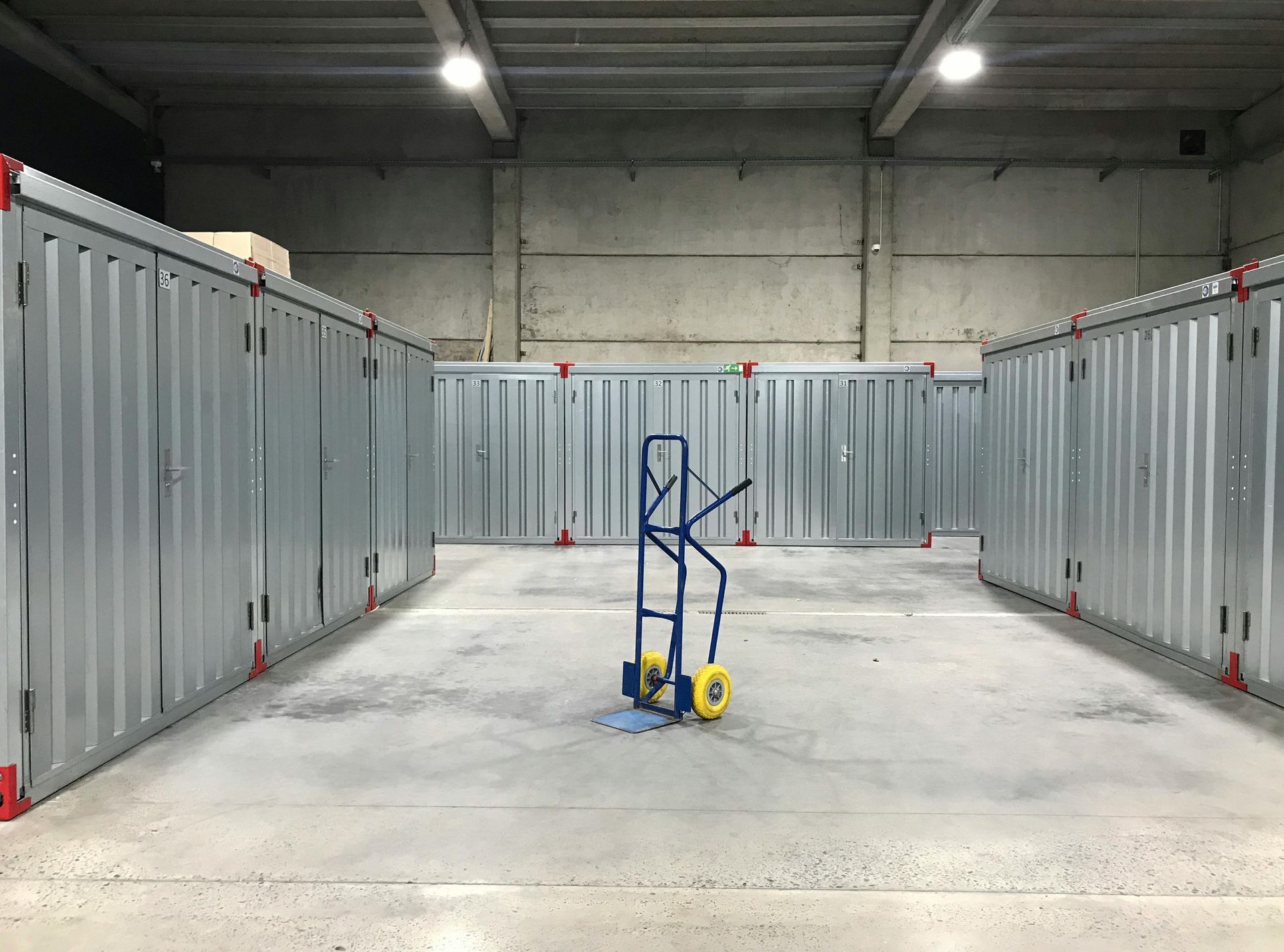
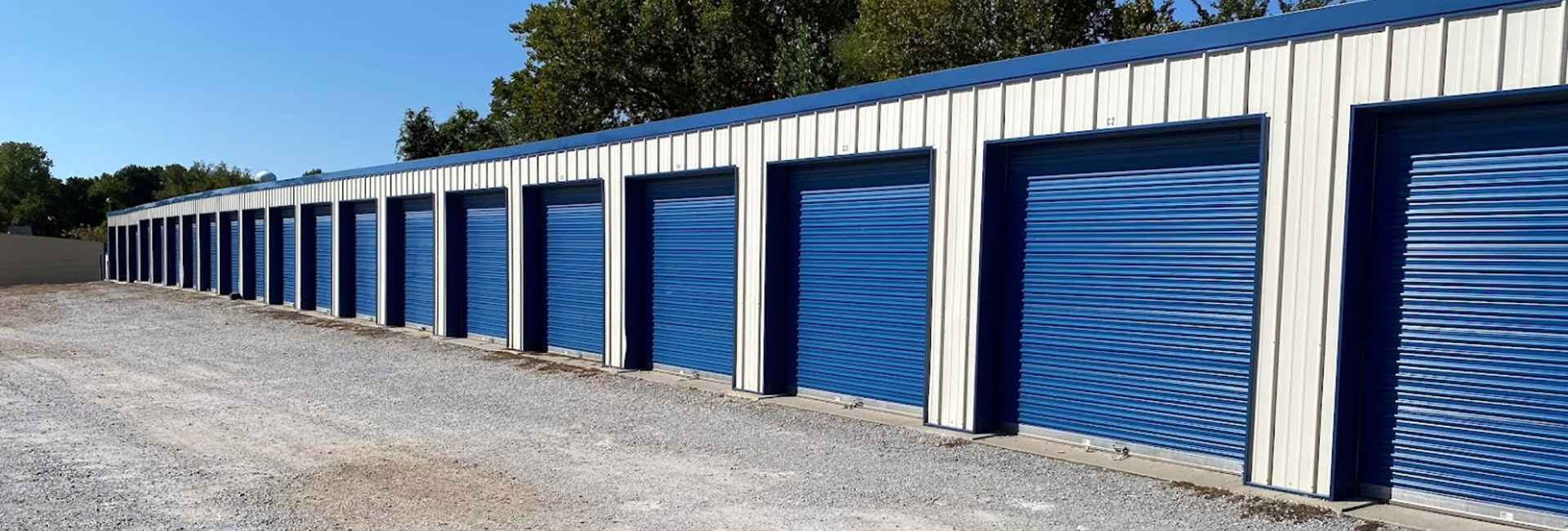
In Jonesboro, storage conditions are closely tied to heat and humidity, which can impact the durability of items over time. At Greensboro Storage, climate controlled units are designed to create a more consistent environment that helps reduce these effects.
This Climate-Controlled FAQ explores the most common questions about climate-controlled storage, focusing on how local climate conditions influence storage decisions and what steps can be taken to better protect your belongings.
How Jonesboro’s Climate Impacts Stored Items
Jonesboro experiences warm temperatures and elevated humidity levels, particularly during the summer months. These conditions can create an environment where moisture builds up inside storage units, even when items appear dry at the time they are stored.
Over time, this moisture can lead to mold growth, mildew, or gradual deterioration of materials. Wood may warp, fabrics may develop odors, and electronics can be affected by internal condensation. Climate-controlled storage helps regulate both temperature and humidity, reducing the likelihood of these issues. Maintaining a more stable environment, it helps preserve the condition of items over longer periods.
Why Climate Control Matters for Everyday Items
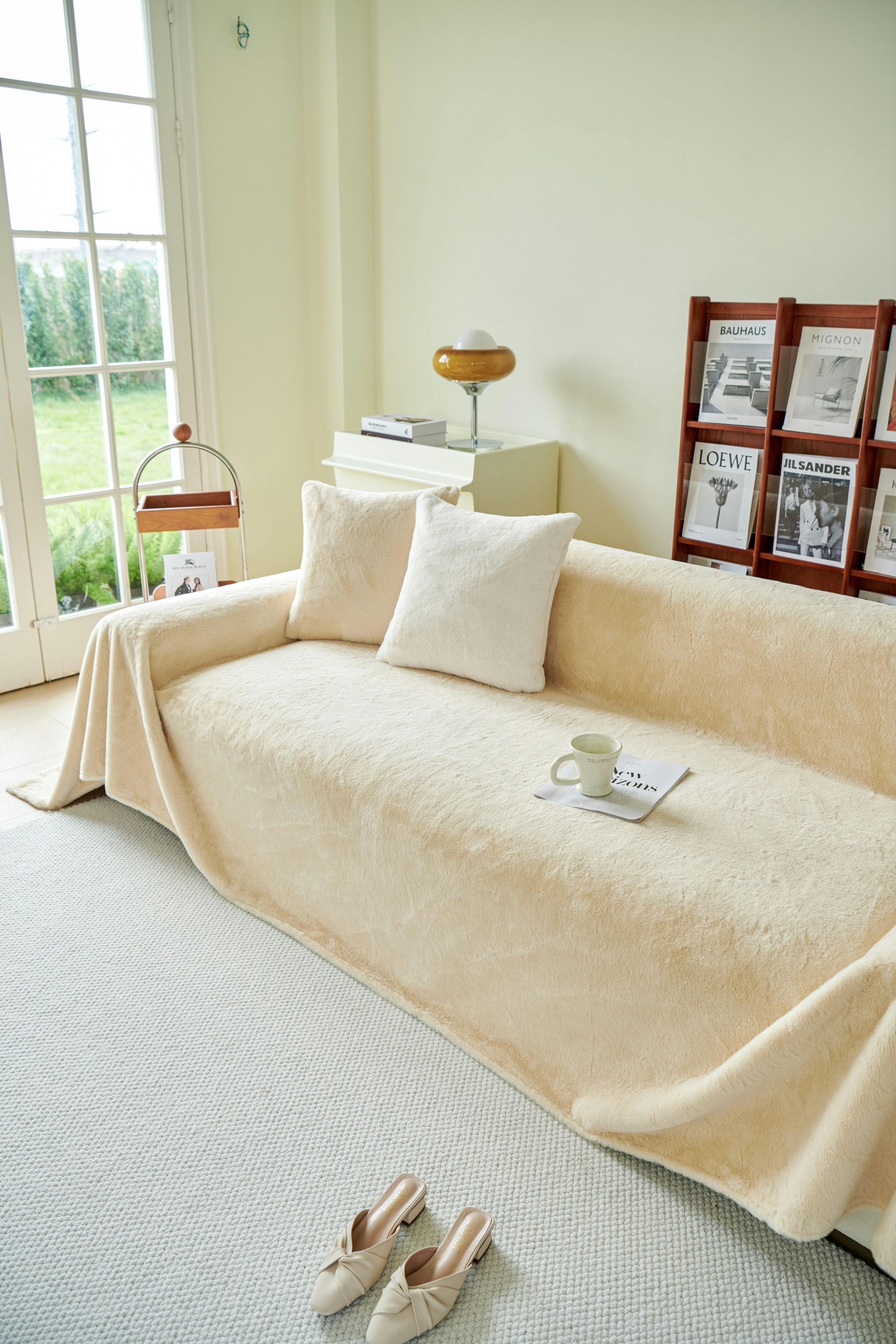
It is easy to assume that only delicate or expensive items require climate-controlled storage, but many everyday belongings can benefit from these conditions. Furniture, clothing, books, and household items all respond better to environments where temperature and humidity are consistent. For example, upholstered furniture can trap moisture within its fibers, leading to long-term damage if conditions are not controlled.
Our guide on how to store a sofa in a storage unit explains how proper preparation works alongside climate control to protect larger items. Similarly, packing plays a major role in how well items are preserved. Our article on how to pack a storage unit outlines strategies for organizing items so that airflow is maintained and damage is minimized.
How Humidity Affects Storage Over Time
Humidity is often the most significant factor in storage-related damage in Jonesboro. Unlike more noticeable temperature changes, humidity works gradually and can affect items without immediate signs.
Paper goods may begin to curl or discolor, fabrics can absorb moisture and develop odors, and wood can expand or contract depending on moisture levels. These changes may not be visible right away, but they can become more apparent over time. Climate controlled storage helps reduce humidity levels, slowing these processes and providing a more consistent environment for stored items.
The Role of Local Lifestyle in Storage Decisions
Jonesboro offers access to outdoor spaces like Craighead Forest Park, where activities such as walking, fishing, and boating are common. These activities often involve equipment that is exposed to water and changing environmental conditions.
When storing outdoor gear, it is important to ensure that items are completely dry before placing them in storage. Climate controlled units can then help maintain those conditions, preventing moisture from lingering and causing damage. This connection between local lifestyle and storage needs often influences whether climate control is the better option for storage.
Is Climate Controlled Storage Necessary for All Items
Not every item requires climate-controlled storage, but many benefit from it. The decision often depends on how sensitive the materials are and how long they will be stored. Items that are less affected by environmental changes may do fine in standard units, but anything that can absorb moisture or react to temperature shifts is better suited for climate-controlled spaces. Understanding this distinction helps create a more balanced approach to storage.
Best Practices for Long-Term Storage in Jonesboro
Even with climate-controlled storage, preparation remains an essential step. Items should be cleaned thoroughly and allowed to dry completely before being stored. Using breathable covers instead of plastic helps prevent trapped moisture, and leaving space between items allows for better airflow. Organizing items thoughtfully not only helps preserve their condition but also makes them easier to access when needed. These small adjustments work together with climate control to create a more stable storage environment.
Choosing
climate controlled storage in Jonesboro involves understanding how heat and humidity affect your belongings over time. At Greensboro Storage, these units are designed to provide a more consistent environment that helps reduce those effects. This Climate Controlled FAQ offers a deeper look at how storage conditions influence item preservation, helping you make more informed decisions about how to store your belongings safely.